
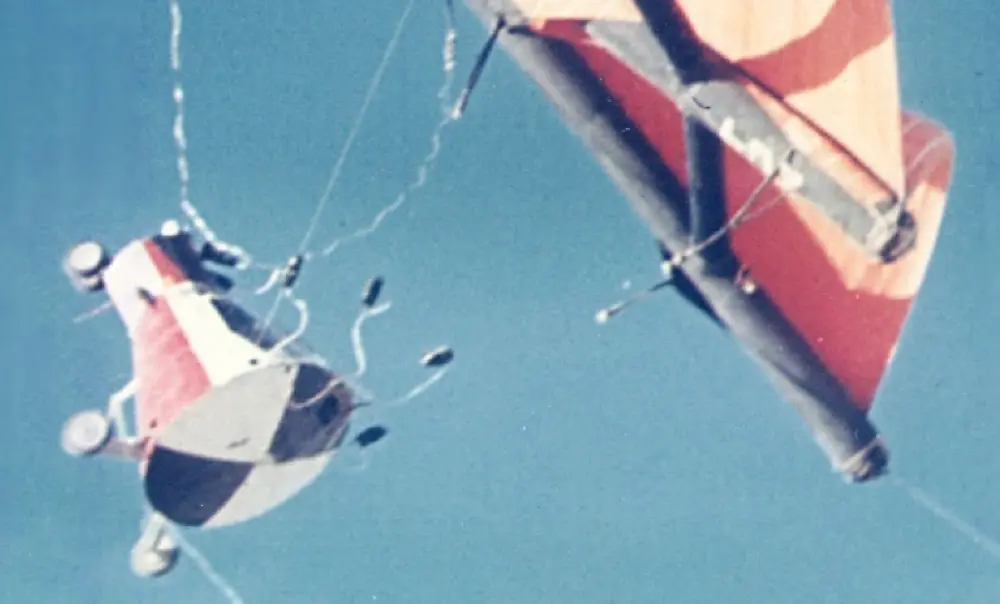
Chapter 4At NASA 1958-1964
After eighteen months, two years, $27 million, whatever was finally spent back then, it was decided, to hell with it, we’ll just go ahead and put a parachute system on it like Mercury and use the landing procedures that we had.
July 1958 - NACA is disbanded to become the National Aeronautic and space-agency (NASA). Francis M. Rogallo becomes a NASA employee as head of the 7-by-10-foot Tunnels Branch.
August 1964 - The NASA Paraglider Development Program is discontinued as part of the Gemini space program.
To write the story of the Paraglider Development Program, we relied on these publications:
- Barton C. Hacker and James M. Grimwood: On the Shoulders of Titans: A History of Project Gemini (doc-07)
- Richard Hallion: On the Frontier (doc-08)
- Robert G. Ferguson: NASA’s First A – Aeronautics from 1958 to 2008 (doc-16)
- Amy Shira Teitel: The Paraglider: How NASA Tried and Failed to Land Without Parachutes. (doc-17)
Sections
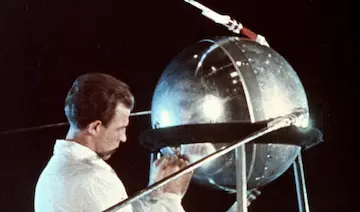 Section 4.1Sputnik
 Section 4.2Who Convinced NASA?
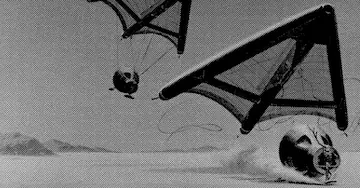 Section 4.3The Paraglider Development Program
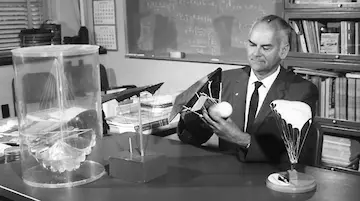 Section 4.4Rogallo at NASA
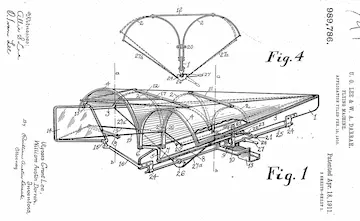 Section 4.5Patents of Interest — 1903-1953
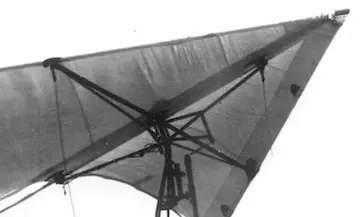 Section 4.6How Flexible Is Flexible?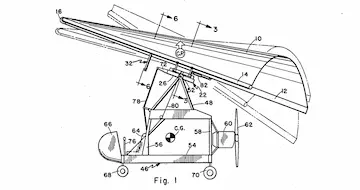
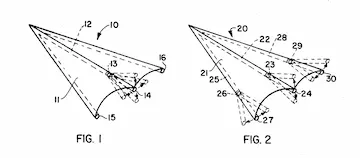 Section 4.8Rogallo’s Contribution — The Patents
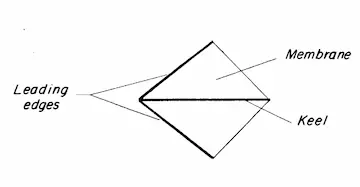 Section 4.9Rogallo’s Contribution — The Publications
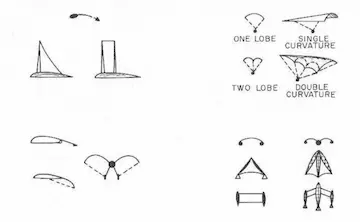 Section 4.10From Deceptions to Lies
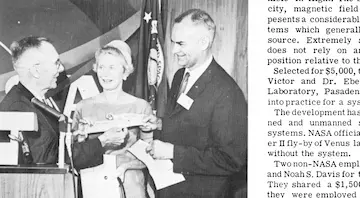 Section 4.11The $35,000 Cash Award